In short
- Island cooking is local: each island has its own cheeses, pies, sweets and wines, many protected by EU designations of origin.
- Must-tries: Santorini fava and Assyrtiko, Cretan dakos and tsikoudia (raki), Naxos graviera and kitron, Sifnos revithada, Chios mastic, Lesbos ouzo, Samos muscat, Aegina pistachios.
- Türkiye's Aegean: olive-oil vegetable dishes (zeytinyağlı), wild herbs, meze and fish, İzmir's boyoz pastry and the wineries of Urla.
- How to eat: share plates, order fish by weight, drink with food, and do not hurry – dinner starts late.
- Taste with locals: cooking classes, winery visits and food walks are the best way to learn a cuisine in a few hours.
How the Aegean eats
Aegean food is built on what dry, rocky islands and a rich sea can give: olive oil, wild greens, pulses, goat and sheep cheeses, honey, capers, tomatoes, fish and octopus, and bread baked hard to keep. Most of it is seasonal and simple, and a lot of it is vegetarian by tradition – Orthodox fasting days ruled out meat, fish with backbones and dairy for much of the year.
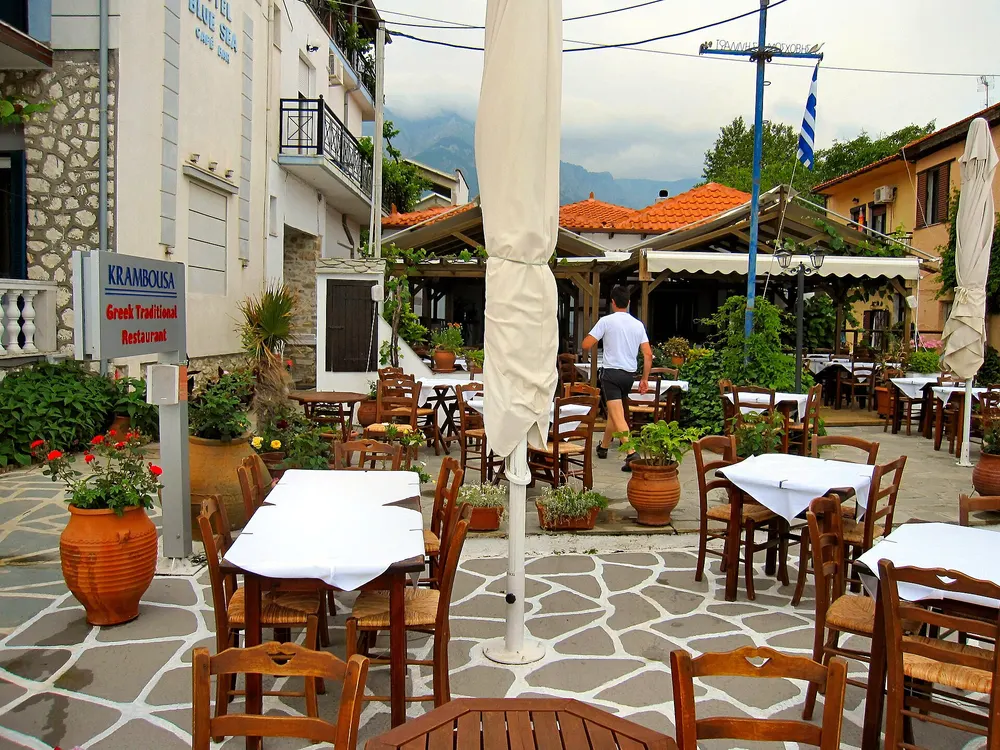
A typical taverna meal is shared: a salad (the horiatiki, with tomato, cucumber, onion, olives and feta), dips such as tzatziki and fava, vegetables, something fried (courgette, small fish), and one or two mains – grilled fish, octopus, lamb, a casserole – with house wine by the half-litre. On the Turkish shore, the same sea makes a different table: a spread of meze, olive-oil vegetable dishes, grilled fish and rakı.
Cyclades: fava, cheeses and volcanic wine
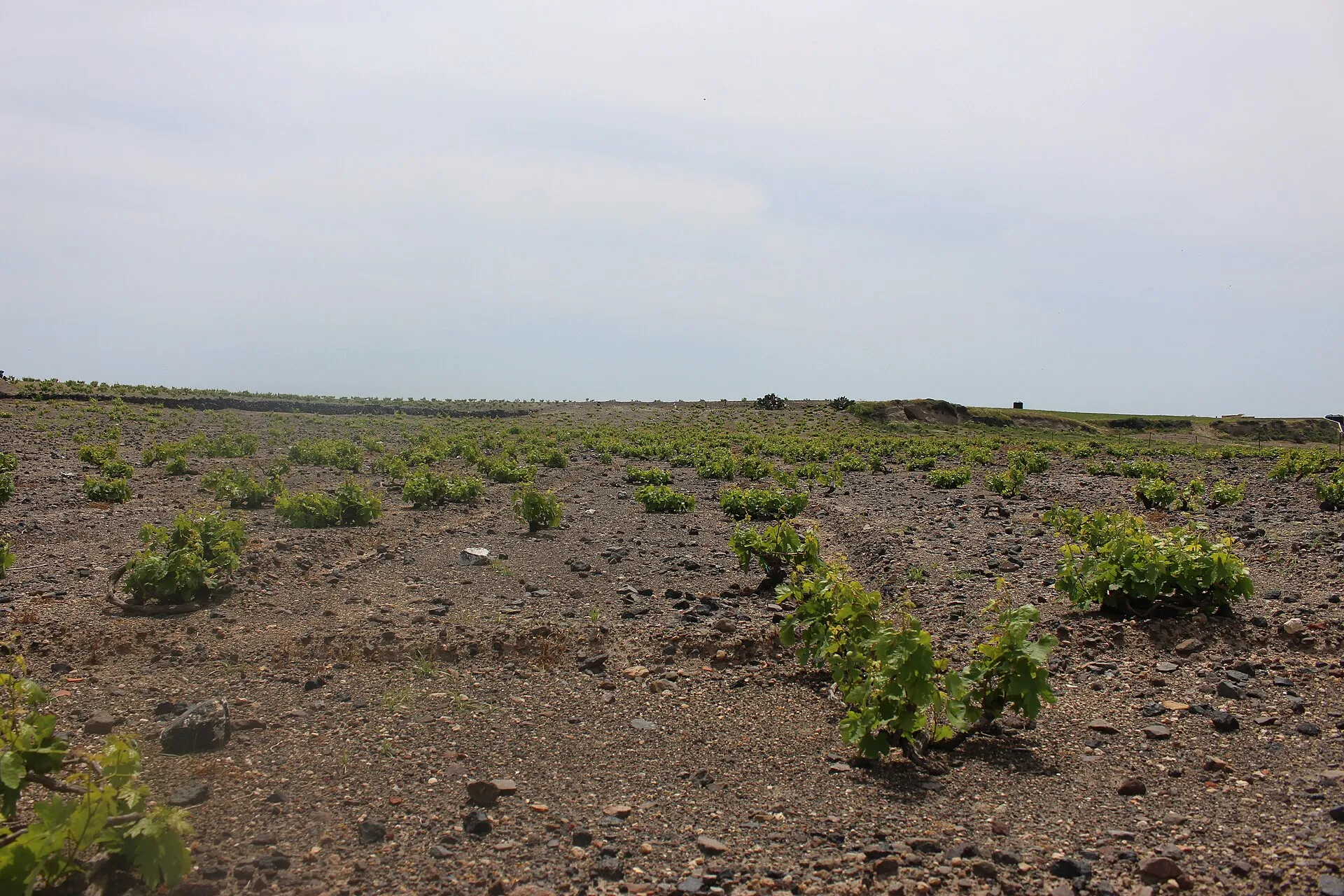
- Santorini: the island's volcanic soil and wind produce a short list of famous products – fava (a purée of yellow split peas), small, intense cherry tomatoes and white aubergines. Its vines are trained low in basket shapes (kouloura) against the wind, and the white grape Assyrtiko makes mineral, high-acid wines under the PDO Santorini; Vinsanto is the sweet wine made from sun-dried grapes.
- Naxos: the most fertile of the Cyclades, famous for graviera and arseniko cheeses, potatoes, and kitron, a liqueur distilled from the leaves of the citron tree – visit the Vallindras distillery in Halki.
- Sifnos: the island of slow cooking in clay pots: revithada (chickpeas baked overnight, traditionally on Sundays) and mastelo (lamb or goat baked with wine).
- Tinos: artichokes, capers, sun-dried tomatoes and a fast-rising wine scene on the high plateau.
- Mykonos and Paros: kopanisti (a sharp, spreadable cheese), louza (cured pork) and Paros's wineries.
Santorini: guided wine tour with pickup and snacks
Visits to Santorini wineries to taste Assyrtiko and other volcanic-soil wines, with pickup and snacks.
Check availabilityBook via GetYourGuideMykonos: cooking class with food and wine
Learn island recipes and eat them with local wine.
Check availabilityBook via GetYourGuideNaxos: local food tour in the old town
Tasting walk through the old town of Naxos focused on local produce and traditions.
Check availabilityBook via GetYourGuideTour listings are on GetYourGuide. Prices, times and cancellation terms are shown live on each listing and can change; AegeanSea.com may earn a commission at no extra cost to you.
Crete: the island with its own cuisine
Crete grows much of Greece's olive oil and has the most distinctive regional cuisine in the country, studied since the 1950s as an example of the Mediterranean diet. Try dakos (barley rusk topped with grated tomato, mizithra cheese and oil), kalitsounia (small cheese pies), staka (a rich butter-cream), snails (chochlioi) with rosemary, wild greens (horta), gamopilafo (wedding rice) and lamb with stamnagathi greens. Meals end with a shot of tsikoudia (raki), offered free in most tavernas.
Crete also has a serious wine scene, with indigenous grapes such as Vidiano, Vilana, Liatiko and Kotsifali around Peza, Archanes and Sitia. Chania's old town and Heraklion's market streets are good places to eat. See Chania and Crete.
Chania: Cretan cooking class with meal and wine
Hands-on Cretan cooking class ending with the meal and wine.
Check availabilityBook via GetYourGuideTour listings are on GetYourGuide. Prices, times and cancellation terms are shown live on each listing and can change; AegeanSea.com may earn a commission at no extra cost to you.
Dodecanese and North Aegean: mastic, ouzo and muscat
- Chios: home of mastiha, the resin of the mastic tree, used in sweets, liqueur, chewing gum and cooking; Mastiha Chiou has EU protected designation of origin and its cultivation is on UNESCO's intangible heritage list.
- Lesbos: Greece's most famous ouzo comes from Plomari; Ouzo Mytilinis is a protected geographical indication. Eat sardines from Kalloni bay and ladotyri cheese.
- Samos: the sweet muscat wines of Samos (PDO) have been exported for centuries.
- Lemnos: muscat wine and kalathaki cheese (PDO).
- Aegina: pistachios with EU protected designation of origin – Fistiki Aeginis.
- Rhodes and Karpathos: pitaroudia (chickpea fritters) on Rhodes; makarounes (hand-made pasta) with onions and cheese in Olympos, Karpathos.
- Symi: the tiny sweet Symi shrimp, fried and eaten whole.
Chios: mastiha local food tasting and seaside lunch tour
Food tour around Chios mastic (mastiha) with tastings and a seaside lunch.
Check availabilityBook via GetYourGuideTour listings are on GetYourGuide. Prices, times and cancellation terms are shown live on each listing and can change; AegeanSea.com may earn a commission at no extra cost to you.
Türkiye's Aegean table
The Turkish Aegean coast is olive country, and its kitchens are famous for zeytinyağlı – vegetables slow-cooked in olive oil and served cool – and for wild herbs (ot) gathered in spring, from sea fennel to cibes; Alaçatı celebrates them in a spring herb festival. Meals start with meze (white cheese, melon, haydari yoghurt dip, octopus salad, stuffed mussels) and continue with grilled fish, accompanied by rakı, the aniseed spirit, cut with water.
- İzmir: breakfast on boyoz (a flaky pastry with Sephardic roots) and soft-boiled eggs; kumru sandwiches; Kemeraltı market for spices and dried fruit.
- Ayvalık: olive oil, the famous Ayvalık toast, and fish on Cunda island.
- Urla and Çeşme: a wine route of small wineries, many reviving local grapes; the Çeşme peninsula also has its own mastic trees.
- Bodrum: fish restaurants around Gümüşlük's bay and mandarins from the peninsula.
İzmir: private Alaçatı and Çeşme day tour
A private day from İzmir to Alaçatı and Çeşme.
Check availabilityBook via GetYourGuideTour listings are on GetYourGuide. Prices, times and cancellation terms are shown live on each listing and can change; AegeanSea.com may earn a commission at no extra cost to you.
Eating out: customs and tips
- Timing: Greeks and Turks eat late – lunch from about 14:00, dinner from 21:00. Tavernas in tourist areas serve all day.
- Fish: fresh fish is priced per kilo; choose your fish and ask for the weight and price before it is cooked. Frozen products must be marked on the menu in Greece (often with an asterisk).
- Water and bread: a cover charge for bread is common; tap water is not always drinkable on the islands – bottled water is standard.
- Tipping: service is not usually added; leaving 5–10 percent for good service is customary in Greece; in Türkiye about 10 percent.
- Ask what is local and in season: it is almost always the best thing on the menu.
A short glossary for the menu
| Dish or drink | What it is | Where |
|---|---|---|
| Fava | Purée of yellow split peas with onion and olive oil | Santorini and the Cyclades |
| Dakos | Barley rusk with tomato, mizithra cheese and oil | Crete |
| Kalitsounia | Small cheese pies, sweet or savoury | Crete |
| Revithada | Chickpeas baked slowly in a clay pot | Sifnos |
| Kopanisti | Sharp, creamy fermented cheese | Mykonos and the Cyclades |
| Graviera | Hard sheep's or cow's milk cheese | Naxos, Crete |
| Kitron | Liqueur made with citron leaves | Naxos |
| Mastiha | Resin of the mastic tree, in sweets and liqueur | Chios |
| Tsikoudia (raki) | Grape-pomace spirit served after meals | Crete |
| Ouzo | Aniseed spirit, drunk with water and meze | Lesbos (Plomari) and across Greece |
| Zeytinyağlı | Vegetables cooked in olive oil, served cool | Türkiye's Aegean coast |
| Boyoz | Flaky pastry eaten at breakfast | İzmir |
| Rakı | Turkish aniseed spirit, cut with water | Türkiye |
Wine regions to visit
- Santorini: the most visited wine island, with wineries around Pyrgos, Megalochori and Episkopi; tastings of Assyrtiko, Nykteri and Vinsanto, often with caldera views.
- Crete: the Peza and Archanes area south of Heraklion, and Sitia in the east; indigenous grapes such as Vidiano and Liatiko.
- Paros, Naxos and Tinos: small wineries reviving local varieties; Tinos's high plateau has drawn new producers.
- Samos and Lemnos: sweet muscats with long histories.
- Urla (İzmir): a wine route of small Turkish producers near the coast.
Most wineries open for tastings from spring to autumn; book ahead in summer and arrange a driver – or join a wine tour.
Paros wine tour and tasting
A wine tour with tastings of Paros wines.
Check availabilityBook via GetYourGuideTinos: winery tour and wine tasting paired with snacks
Visit to a Tinos winery with tastings paired with local snacks.
Check availabilityBook via GetYourGuideTour listings are on GetYourGuide. Prices, times and cancellation terms are shown live on each listing and can change; AegeanSea.com may earn a commission at no extra cost to you.
Markets, bakeries and shops worth finding
- Heraklion's 1866 Street market and Chania's covered market for Cretan cheeses, herbs, honey and raki.
- Kemeraltı in İzmir for spices, olives, dried fruit and street food.
- Village bakeries across the islands for cheese pies, koulouri and paximadia (twice-baked rusks).
- Cooperatives: many islands have farmers' cooperatives selling local cheese, wine and oil – Naxos's in Chora is a good example.
- Mastic shops on Chios and in Athens for mastiha products.
Taste it with a local
A cooking class, a winery tour or a food walk teaches more about an island in three hours than a week of menus. These are our picks from GetYourGuide.
Frequently asked questions
What is the most famous wine of the Aegean?
Santorini's Assyrtiko, a dry white wine from vines grown in volcanic soil, and the island's sweet Vinsanto.
What should I eat on Crete?
Dakos, kalitsounia, snails with rosemary, lamb with wild greens and gamopilafo – followed by a glass of tsikoudia.
Is tap water safe to drink on the Greek islands?
It varies: many islands rely on desalination and locals drink bottled water. Ask at your accommodation.
Sources and official information
Facts were checked against these official sources in November 2026. Opening hours, prices and timetables change, so confirm before you go.
AegeanSea.com is an independent guide, not the official site of any tourism board, government, port authority or ferry operator. Some links are affiliate links: tours go to GetYourGuide and stays go to Booking.com, and we may earn a commission at no extra cost to you.